
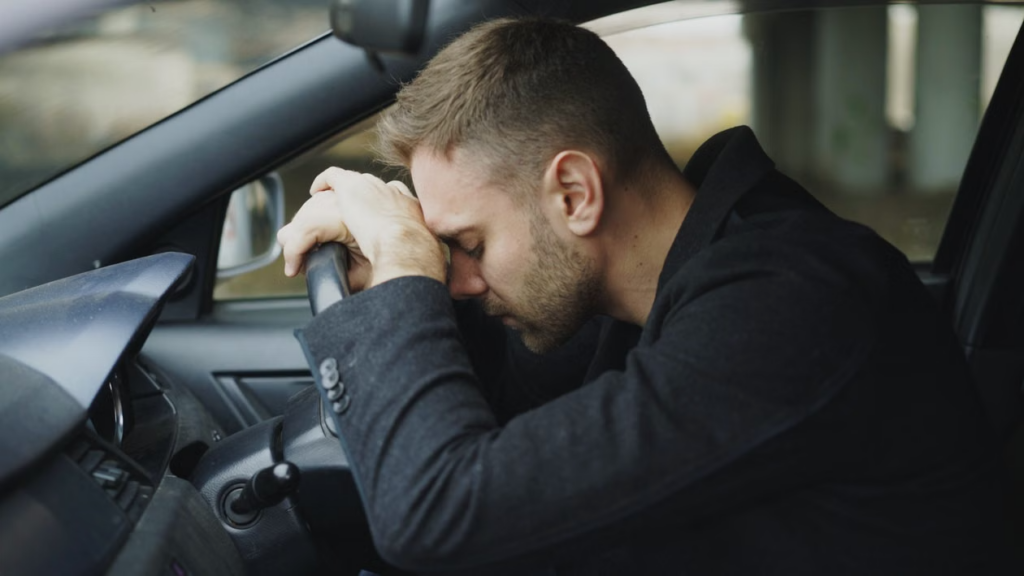
The accident happened. But you may still feel anxious about getting behind the wheel.
You could feel anxious about driving past certain locations or hear sirens that remind you of the accident.
There are ways to overcome your fear of driving after a car accident. It does not mean that you cannot drive anymore. Here is how to get started.
Here Is What This Guide Will Cover
- Why Driving Can Feel Dangerous After A Car Accident
- Resolve Your Immediate Needs
- Overcome Your Fear Of The Car
- How To Calm Down When You Feel Anxious
- If Your Anxiety Worsens
- Easing Your Daily Trips
- Drive With Confidence
Why Driving Can Feel Dangerous After A Car Accident
When the body experiences danger, the mind remembers it. After a collision, the brain may start treating ordinary traffic situations as warnings that another crash is coming.
You may feel yourself gripping the steering wheel tighter, constantly checking your mirrors, or avoiding the location of your accident. You may even feel anxious riding as a passenger in a car.
Some other symptoms may include not being able to sleep, flashbacks, increased heart rate, and lack of focus. These are normal after a traumatic event but can be a sign of PTSD.
Many people suffer from PTSD after being involved in a car accident. A 2025 review of 82 studies found a 20.3% pooled PTSD rate among road traffic accident survivors, although rates differed widely across the studies.
This number includes those with PTSD, not simply anxiety about driving.
So how do you know if your fear is becoming detrimental?
Resolve Your Immediate Needs
There are some things to consider before you drive after a car accident. If you are still in pain, dizzy, unable to focus, or on medication that causes drowsiness, you should not be driving yet. If you had a concussion or another injury, ask your healthcare provider when it is safe to drive again.
There may be doctor’s appointments, bills, and insurance companies you need to contact. Having this information handy can help.
freeseandgoss.com provides more information on what a car accident lawyer can do for you if you are dealing with an injury claim in Dallas, TX. Keep a few things in mind after an accident. Know your options.
If you have someone who can drive you while you heal, take advantage of it. You do not have to prove yourself on the road right away.
Overcome Your Fear Of The Car
Avoiding every journey may bring short-term relief, but it can make the next trip harder. Once you’re medically cleared and can drive safely, start with a quiet, familiar route instead of heavy traffic.
What are you most afraid of when driving? Turning, trucks, rainy weather, etc. Once you know what you are afraid of, you can work on that. Maybe you can only drive for a few minutes; that is okay.
Build your confidence in small increments:
- Sit in your car with the engine off. Sit in the driver’s seat, look around, and become accustomed to your surroundings. Do not rush this process.
- Drive on a less busy road. If you feel confident enough to drive, drive on a familiar road during the daytime with less traffic. Have a destination in mind.
- Continue doing the same thing before increasing your difficulty level. Drive on that same road a couple of times before trying new challenges. See what you can overcome.
- Increase your driving difficulty. Once you have mastered smaller roads, you can begin driving on busier streets, learn new turns, and eventually drive on the highway.
Remember you are not trying to overcome your fear first; you are trying to gain confidence in your ability to drive safely.
However, if you are experiencing panic attacks or you become distracted, do not attempt to overcome these while on the road. If these symptoms prevent you from paying attention to the road or operating your vehicle, do not drive. If these symptoms occur while you are driving, pull over to a safe location.
If you are suffering from severe anxiety or PTSD, talk to a professional about ways to overcome your fear.
How To Calm Down When You Feel Anxious
Your body may perceive danger from something that isn’t dangerous. A car horn or brake lights may remind you of your accident.
Before you leave, calm your body down. Relax your shoulders, breathe, and make sure you are alert enough to drive. Give yourself extra time to arrive at your destination.
Once you are driving, stay focused on the road. Pay attention to the changes in the road, traffic ahead of you, and stoplights. Stay focused on these tasks instead of thinking about your accident.
If you feel comfortable, have someone ride with you whom you trust. Just make sure they are not distracting you from driving. They should also not force you to drive if you do not feel safe.
If you are anxious as a passenger, start with small trips and drive with someone you trust.
Remind yourself of your accomplishments, no matter how small they may be.
If Your Anxiety Worsens
If you continue to feel fearful of driving, you may want to seek help from a doctor or professional. If you are experiencing nightmares, flashbacks or not driving at all, it may be time to seek help. You may also feel anxious at home.
Depending on your situation, your doctor may recommend treatment for PTSD. This could include Cognitive Processing Therapy, Prolonged Exposure Therapy or Eye Movement Desensitization and Reprocessing (EMDR).
Talking to a therapist can allow you to distinguish between actual dangers on the road and reminders of your accident. They can help you create a plan that works for you to overcome your fear of driving.
Don’t forget to mention any physical ailments you may have as well. These can also contribute to your inability to concentrate while driving.
Easing Your Daily Trips
You may feel confident driving one day and not the next. That is okay; you are learning how to drive after a car accident.
Make things easier by traveling at less busy times, planning your route, and arranging a ride to important events when needed. Do not compare yourself to others; everyone heals at their own pace.
Let people know what you need as well. Your friend may be willing to drive you somewhere, but they may not know what roads you are anxious about. Ask for what you need.
Remember, you are working towards driving with confidence, not perfection.
Drive With Confidence
After a car accident, driving can feel scary. There are ways to help you feel comfortable driving again.
Know when your body is ready to drive; start with small trips and seek professional help if needed. Progress may be uneven, but each safe step can help you rebuild confidence in your ability to travel.