
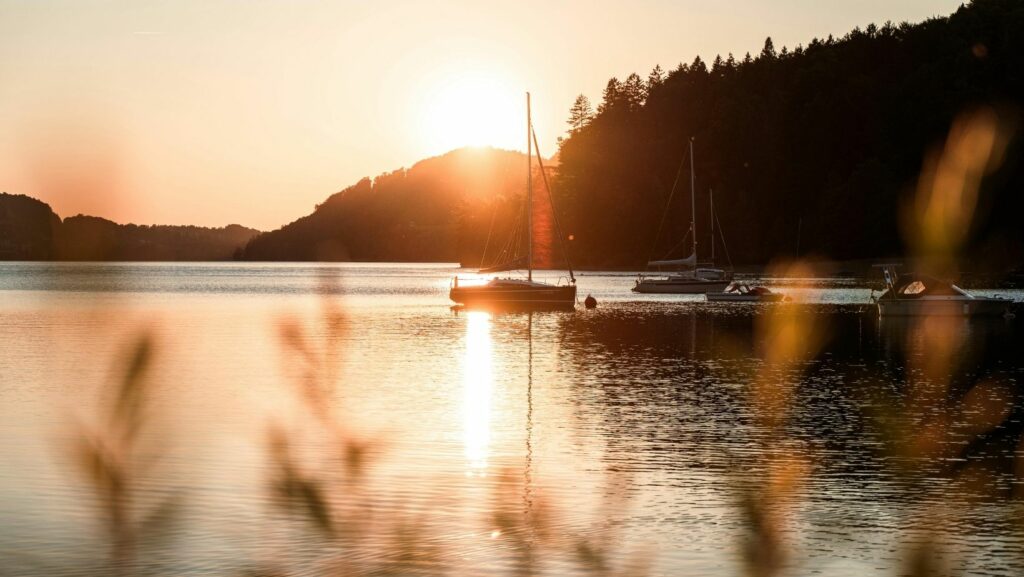
Van is often described through superlatives—high, remote, dramatic—and yet its real distinction lies in how ordinary life has learned to function in an extraordinary environment. Set beside a vast alkaline lake and framed by rugged mountains, the city and its hinterland sit at the intersection of ecology, history, and regional exchange. The Eastern Highlands are not merely “scenery”; they are a working landscape that has shaped settlement patterns, food systems, and cultural continuity for centuries.
To read Van well, it helps to keep your attention on the relationship between place and practice; even a modern digital aside like lightning roulette casino can appear mid-thought as a reminder of how easily contemporary life drifts into abstraction, while the highlands insist—through weather, distance, and routine—on tangible, local solutions. The region’s heritage is most visible where water meets stone, where boats meet wind, and where breakfast tables become a daily expression of adaptation.
Lake Van as an Ecological Engine and Cultural Boundary
Lake Van is not simply a backdrop; it is the region’s central organizing force. Its size influences microclimates along the shore, moderating temperatures in ways that affect agriculture, grazing, and the timing of daily work. At the same time, the lake’s distinctive chemistry—alkaline and mineral-rich—creates a separate ecological logic that differs from nearby freshwater systems. This matters culturally because ecology and economy are never fully separate: fishing practices, shoreline settlement density, and even the rhythms of local leisure respond to what the lake can and cannot provide.
The lake also functions as a cultural boundary and connector at once. From one angle, water separates communities, turning nearby points into psychologically distant places when winds rise or winter conditions intensify. From another angle, it connects shorelines through transport, shared stories, and seasonal movement. This dual role—divider and bridge—is a recurring theme in highland societies, where terrain continuously negotiates human relationships.
Island Churches and the Politics of Sacred Landscapes
Among the region’s most striking heritage features are the island churches that sit within the lake’s shimmering expanse. Their appeal is obvious: a stone sanctuary rising from water feels both poetic and improbable. Yet the deeper significance is analytical. Island sacred sites are rarely accidental choices; they reflect a careful calculus of protection, symbolism, and visibility.
In many historical contexts, an island setting provided a controlled perimeter—easier to defend, easier to regulate access, and often quieter for contemplative life. Symbolically, water can imply purification, separation from worldly noise, or the creation of a threshold between everyday space and sacred space. Visually, an island church announces itself across the lake, turning the landscape into a kind of open-air nave where horizon and architecture collaborate.
For today’s visitor, the key is to avoid treating these sites as isolated “photo stops.” Instead, consider the broader heritage system: how shore communities supported religious institutions through labor and provisioning; how seasonal conditions shaped access; and how political changes over centuries redefined the meaning of stone buildings without erasing their presence. The church on the island is not only a monument; it is evidence of how faith communities once mapped their identity onto geography.
Lake Traditions: Boats, Weather Knowledge, and Local Rhythm
Van’s lake traditions are often described in charming, surface-level terms—boat rides, shoreline picnics, summer evenings. But traditions endure because they do practical work. On Lake Van, the practical work is weather knowledge and timing. Winds can shift quickly, and local navigation depends on reading cloud movement, water texture, and seasonal patterns. This “micro-meteorology” is a form of expertise that rarely appears in guidebooks, yet it underpins safety and commerce.
Seasonal cycles also shape social life. Summer brings greater mobility and a widening of leisure space; winter compresses activity, pulling communities into more sheltered routines. In highland regions, such seasonal alternation tends to produce a strong cultural appreciation for gatherings when conditions allow—markets, family visits, and communal meals that feel particularly generous because scarcity is never fully out of mind.
These rhythms influence how people talk about the lake, too. The lake becomes a shared reference point for time and memory—“before the winds,” “after the first cold,” “when the shore paths open.” In that sense, Lake Van functions as a calendar written in water.
The Regional Breakfast Culture as a Social Contract
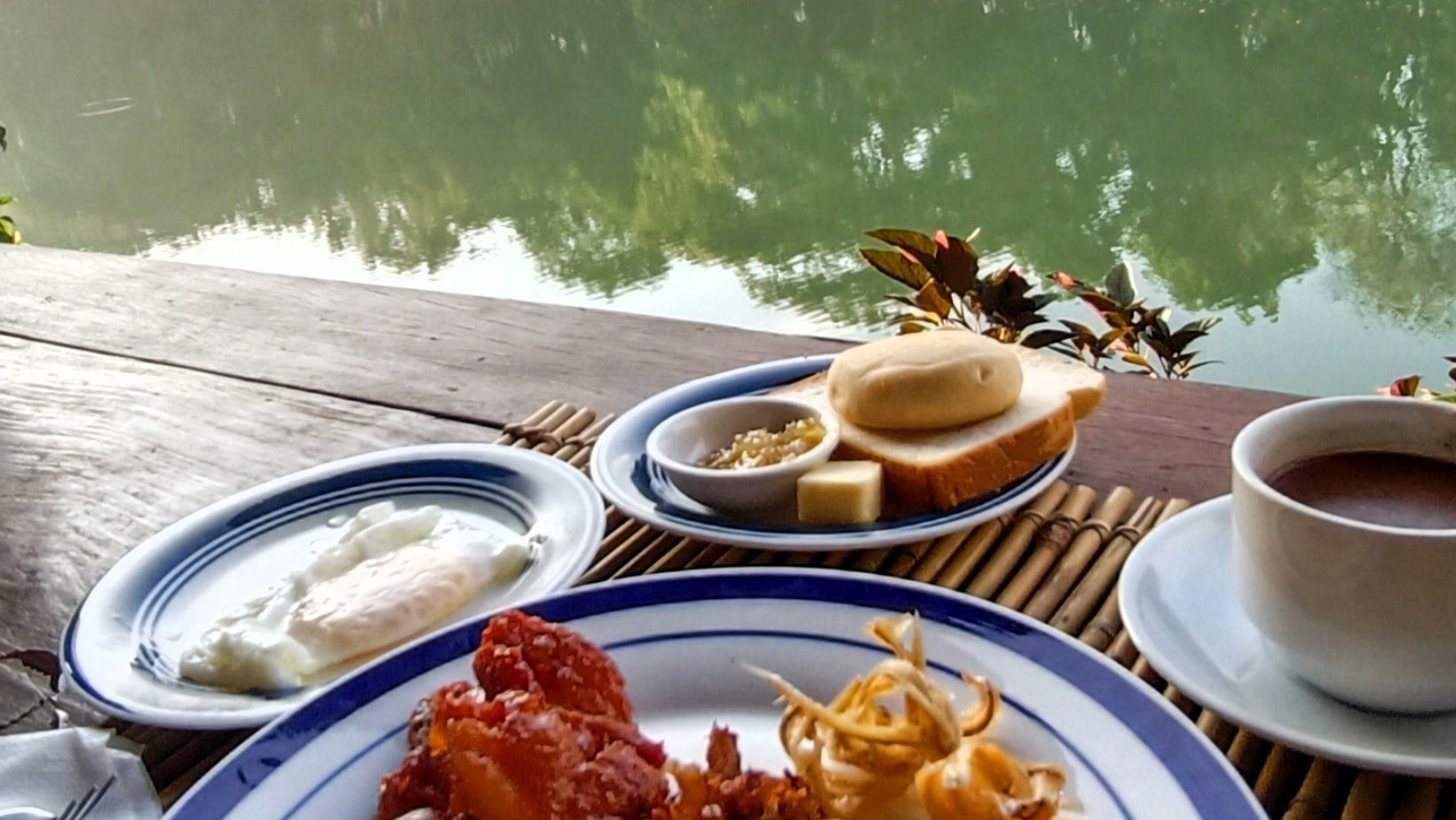
Van’s breakfast culture is famous not because it is extravagant for its own sake, but because it expresses a highland logic of nourishment, hospitality, and planning. In environments where travel can be slow and physical work can be demanding, a substantial morning meal is not indulgence—it is strategy. A large breakfast front-loads calories, stabilizes energy through colder hours, and creates a social moment before the day disperses people across work sites, schools, and errands.
The table itself becomes a social contract. Breakfast is where families align schedules, exchange news, and reinforce belonging through shared tastes. The variety often signals more than appetite; it reflects the region’s mixed production system—dairy from grazing, grains and breads from local baking traditions, herbs and preserves shaped by seasonal availability. Even when ingredients look simple, the assembly is deliberate, and the repetition day after day turns breakfast into an anchor of identity.
Analytically, breakfast culture also illustrates how regional reputations form. Visitors encounter abundance, interpret it as “special,” and then carry that narrative outward. Locals, meanwhile, may adapt presentations—more generous spreads, more emphasis on particular dishes—because tourism and pride feed each other. The result is a living tradition that both resists and accommodates outside attention.
The Eastern Highlands as Corridor: Movement, Trade, and Continuity
Van’s broader setting in the Eastern Highlands adds another layer: the region has long been a corridor, not an end point. Highlands can look isolated on a map, yet historically they often served as connective tissue between basins and borders. Movement through the mountains—by caravan routes in earlier periods and highways later—brought goods, languages, and ideas that shaped local crafts and cuisines.
This corridor dynamic helps explain why the region’s culture feels simultaneously distinctive and layered. You can see it in architecture that blends practical stone-building with ornamental ambition; in foodways that combine pastoral staples with preserved ingredients suited to long winters; and in social practices that balance openness to guests with careful management of household resources.
Visiting Responsibly: Heritage Under Pressure
Van’s heritage and traditions face predictable pressures: seasonal overcrowding at key sites, wear on fragile stonework, and a tendency for visitor demand to favor spectacle over context. Responsible visitation is less about strict rules than about posture. Approach island churches as places with ongoing meaning, not as theatrical props. Ask questions that honor labor: how boats are maintained, how foods are produced, how families sustain hospitality in a changing economy. Spend in ways that reward skill rather than novelty.