
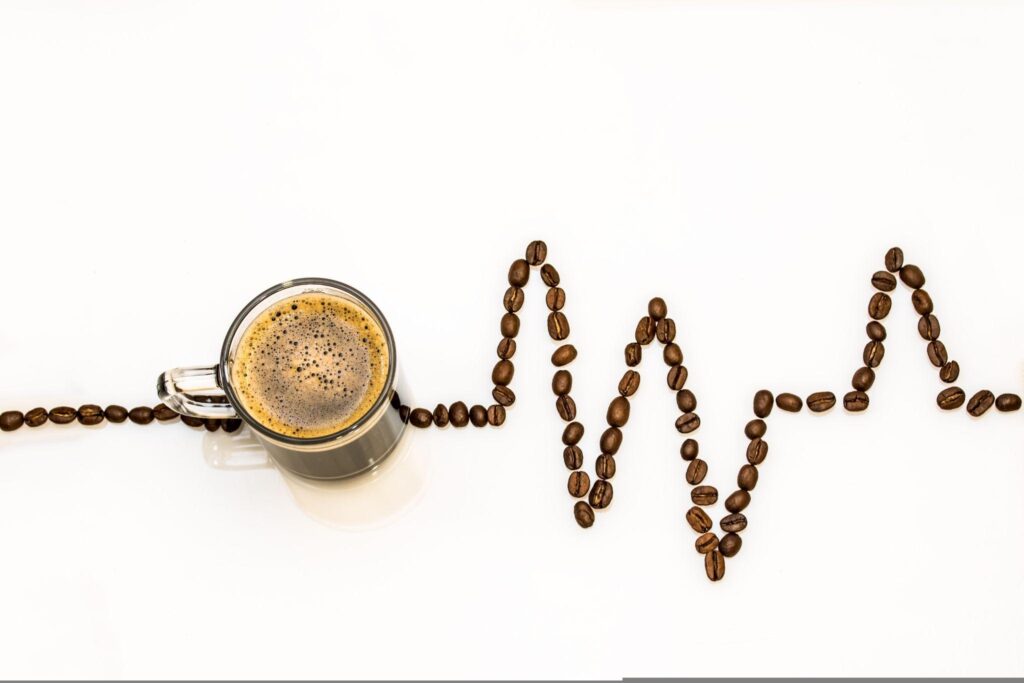
Source: https://pixabay.com/photos/coffee-cup-coffee-heartbeat-cup-2317201/
For many people, caffeine is less a conscious choice than a daily ritual. Coffee before the commute, tea during a mid-afternoon lull, perhaps a can of something fizzy on the way home. The familiar assumption is that caffeine is simple: it wakes people up, and the main question is how much is too much.
The more useful picture is nuanced. Caffeine can improve alertness for a while, but its effects vary with dose, timing, individual sensitivity and what else is in the drink. A morning cup may feel harmless to one person and leave another restless at bedtime. Knowing the amount in a serving, and noticing how it affects the body, can matter more than counting cups.
Caffeine is more than coffee
Caffeine occurs naturally in coffee, tea and cocoa, and it is also added to products such as energy drinks, soft drinks, supplements and some medicines. The amounts can differ widely. A large coffee from one café may contain considerably more than a small cup at home, while an energy drink’s label may list caffeine by can rather than by the smaller serving size.
That makes “two cups a day” an imprecise measure. The U.S. Food and Drug Administration says that up to 400 milligrams per day is an amount not generally associated with negative effects for most adults, while also noting that sensitivity varies. The figure is a broad reference point, not a target or a guarantee that every person will feel well at that intake. The FDA’s guide to caffeine explains common sources and possible signs of excess, including jitters, anxiety, sleep disruption and a rapid heartbeat.
A label can help, but it does not answer every question. Some drinks list caffeine clearly; others require checking the product information or serving size. Caffeine from several sources can also add up across the day, including tea, chocolate, pre-workout products and certain over-the-counter medicines.
The clock matters as much as the cup
One of the biggest misconceptions is that caffeine’s effects end when a person stops feeling stimulated. In reality, caffeine can remain in the body for hours. The Centers for Disease Control and Prevention’s National Institute for Occupational Safety and Health says caffeine has a half-life of about five to six hours, though it can take longer for some people. That means an afternoon coffee may still be affecting the body late in the evening.
The practical impact is not identical for everyone. Some people can drink coffee after dinner and sleep easily; others notice that even a mid-afternoon serving makes it harder to fall asleep or leaves sleep feeling lighter. The CDC recommends avoiding caffeine in the afternoon or evening as one part of healthy sleep habits.
Rather than relying on a universal cut-off time, people can observe their own patterns. A simple experiment might involve moving the last caffeinated drink earlier for a week and noticing changes in sleep onset, nighttime waking and how rested they feel in the morning. Such observations are not a diagnosis, but they can reveal whether timing is a factor.
The “energy” can come with trade-offs
Caffeine can make a person feel more alert, but it does not replace sleep. When someone is tired, a caffeinated drink may temporarily mask drowsiness without addressing its cause. Reaching for another serving can then create a loop: poor sleep prompts more caffeine, and later caffeine makes good sleep harder.
This is one reason the experience can change when people reduce their intake. Someone who has been consuming caffeine regularly may feel headaches, tiredness or irritability after cutting back quickly. Gradually reducing the amount, such as switching one daily serving to a lower-caffeine option, may feel more manageable than stopping overnight.
The conversation has also shifted from coffee alone to the broader range of caffeinated products. Energy drinks can contain substantial caffeine, and they may include other stimulants or ingredients. The FDA advises consumers to check labels and be especially cautious with highly concentrated caffeine products, which can make it easy to consume a dangerous amount.
There is no single caffeine rule that applies to every life stage. The American College of Obstetricians and Gynecologists advises that pregnant women limit caffeine to less than 200 milligrams a day. People who are pregnant, breastfeeding, taking medication, or managing a condition affected by caffeine can ask a clinician for guidance suited to their circumstances.
Choosing a drink for the moment

Source: https://pixabay.com/photos/smoothie-vegetable-smoothie-7320560/
Not every drink choice is about getting more caffeine. Some people want something flavorful during the afternoon without adding coffee or an energy drink to their day. Water, sparkling water, decaffeinated tea and other caffeine-free options can help create a break in the routine.
For readers following a low-carb or keto eating pattern, flavored beverages may also be part of the mix. Those exploring zero sugar drinks for keto dieters can check the ingredient and nutrition labels to confirm whether a particular product fits their needs. “Zero sugar” does not indicate whether a drink contains caffeine, so that detail is worth checking separately.
The best choice can depend on the moment: a caffeinated drink when alertness is needed, a decaf option for the taste, or water when thirst is the main issue. Making that distinction can help prevent caffeine from becoming the automatic answer to every dip in energy.
A more personal way to think about caffeine
Caffeine is neither a universal health villain nor a guaranteed performance tool. Many adults tolerate moderate amounts, while others experience unpleasant effects at lower doses. The same person may also respond differently depending on stress, sleep, medication or changes in routine.
A practical caffeine check can begin with three questions: how much is in each drink, what time it is consumed, and what happens afterward? If sleep is disrupted, anxiety rises or the heart feels as if it is racing, cutting back and discussing persistent symptoms with a health professional may be sensible.
The shift in understanding is not that everyone needs to give up coffee. It is that caffeine has a longer reach than the brief lift it seems to provide, and “a cup” is not a standardized dose. For many people, small adjustments to timing, serving size or drink choice may be enough to make the daily ritual work better for them.