
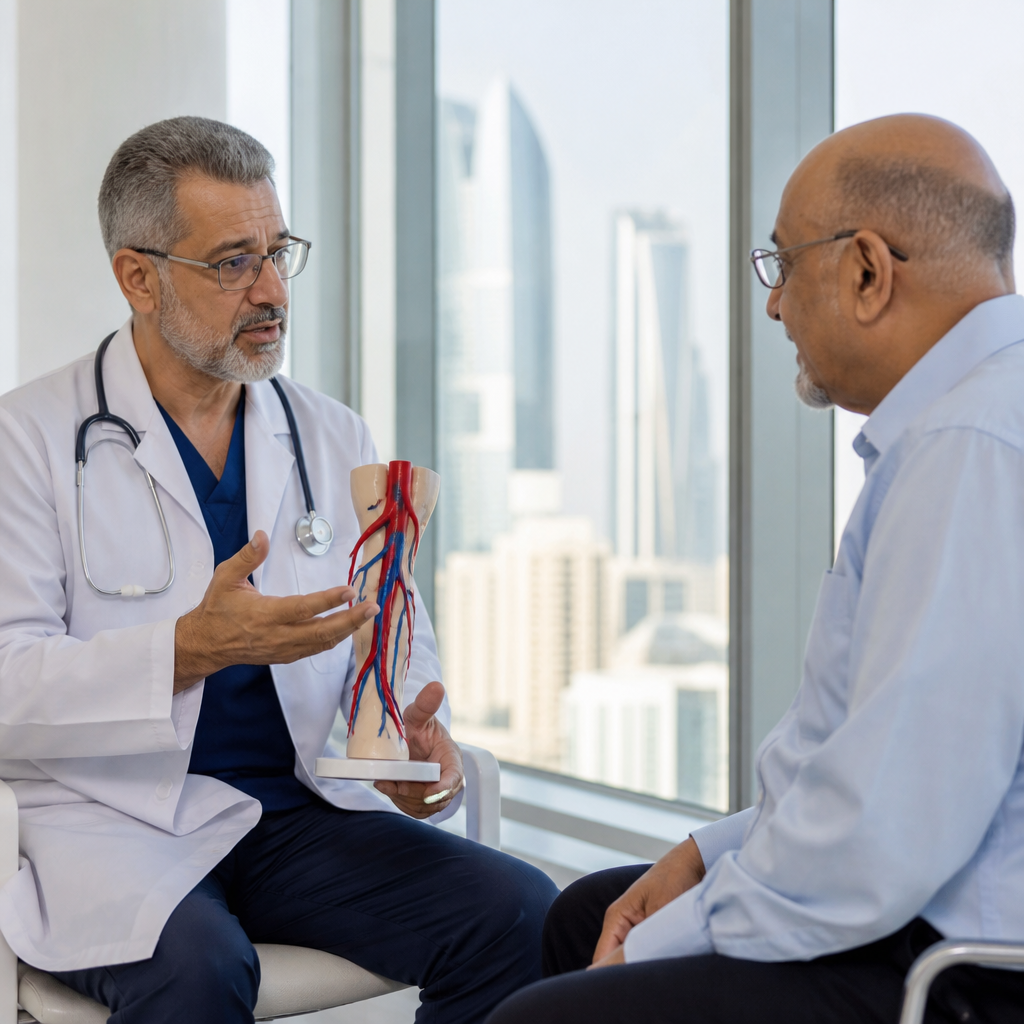
Vascular health is one of the most overlooked aspects of overall well-being, yet the consequences of ignoring it can be life-altering. The network of arteries, veins, and lymphatic vessels that runs throughout your body is responsible for delivering oxygen, nutrients, and immune cells to every organ and tissue. When this system is compromised — whether through disease, injury, or age-related deterioration — the effects can range from mild discomfort to limb-threatening emergencies. Understanding when to seek specialized care is not just a matter of convenience; it is a matter of survival. This guide is designed to help patients recognize the warning signs, understand what vascular surgeons do, and make informed decisions about their care.
What Is Vascular Surgery and Why Does It Matter?
Vascular surgery is a specialized medical discipline focused on diagnosing and treating diseases of the blood vessels — excluding those of the heart and brain, which fall under cardiology and neurosurgery respectively. Vascular surgeons manage conditions affecting the aorta, peripheral arteries, carotid arteries, and veins throughout the body. Their work spans both surgical interventions and minimally invasive endovascular procedures, making the specialty uniquely versatile in modern medicine.
The importance of vascular surgery cannot be overstated. Conditions like peripheral artery disease (PAD), deep vein thrombosis (DVT), aortic aneurysms, and carotid artery stenosis are not only common but are leading contributors to stroke, heart attack, and lower limb amputation worldwide. Early diagnosis and timely surgical intervention can prevent these devastating outcomes and dramatically improve quality of life.
Common Conditions That Require Vascular Surgical Care
Peripheral Artery Disease (PAD)
PAD occurs when plaque builds up in the arteries that supply blood to the legs and feet. Patients often experience cramping, pain, or fatigue in the legs during physical activity — a symptom known as claudication. In advanced stages, pain may occur even at rest, and wounds on the feet or legs may fail to heal. Left untreated, PAD can lead to critical limb ischemia and amputation. A vascular surgeon can assess the severity of arterial blockage and recommend appropriate interventions, from lifestyle modifications and medications to angioplasty or bypass surgery.
Varicose Veins and Chronic Venous Insufficiency
While varicose veins are often dismissed as a cosmetic concern, they can signal underlying chronic venous insufficiency — a condition in which the valves in the leg veins fail to function properly, causing blood to pool. Symptoms include leg heaviness, swelling, skin discoloration, and in severe cases, venous ulcers. Vascular surgeons offer a range of treatments including endovenous laser ablation, sclerotherapy, and surgical stripping, depending on the extent of the disease.
Aortic Aneurysms
An aortic aneurysm is an abnormal bulge in the wall of the aorta, the body’s largest artery. Because aneurysms often develop silently, they are frequently discovered incidentally during imaging for other conditions. However, if left unmonitored and untreated, they can rupture — a catastrophic event with a very high mortality rate. Vascular surgeons monitor aneurysm growth and intervene surgically or endovascularly when the risk of rupture becomes significant.
Carotid Artery Disease
Narrowing of the carotid arteries — the vessels that supply blood to the brain — is a major risk factor for stroke. Patients may experience transient ischemic attacks (TIAs), also called mini-strokes, which serve as critical warning signs. Vascular surgeons perform carotid endarterectomy or carotid artery stenting to restore blood flow and reduce stroke risk. According to Henry Ford Health’s guide on when to visit a vascular surgeon, symptoms such as sudden weakness, vision changes, or difficulty speaking should prompt immediate evaluation by a specialist.
Warning Signs You Should Never Ignore
Many vascular conditions develop gradually, making it easy to attribute symptoms to aging or fatigue. However, certain signs should prompt an urgent consultation with a vascular specialist. These include persistent leg pain or cramping during walking, wounds on the feet or legs that do not heal within two to four weeks, sudden onset of cold or discolored extremities, visible bulging veins accompanied by pain or skin changes, unexplained swelling in one or both legs, and episodes of dizziness, vision loss, or facial drooping. If you experience any of these symptoms, do not delay seeking professional evaluation. Early intervention is consistently associated with better outcomes across all vascular conditions.
The Role of Technology in Modern Vascular Care
Advances in medical technology have transformed vascular surgery over the past two decades. Endovascular techniques — which involve threading catheters through blood vessels rather than making large incisions — have made many procedures safer and recovery times shorter. Imaging technologies such as duplex ultrasound, CT angiography, and magnetic resonance angiography allow surgeons to visualize the vascular system with extraordinary precision before and during procedures.
Digital health is also playing an increasingly important role in vascular care delivery. From remote patient monitoring to AI-assisted diagnostics, healthcare providers are leveraging technology to improve outcomes and accessibility. For businesses and healthcare organizations looking to build tools that support this evolution, understanding how to develop a healthcare app for growing businesses is becoming an essential strategic consideration, particularly as patient engagement platforms and telemedicine solutions reshape the clinical landscape.
Cleveland Clinic Abu Dhabi: A Center of Excellence for Vascular Care
For residents and visitors in the UAE seeking world-class vascular care, Cleveland Clinic Abu Dhabi stands as one of the region’s most distinguished medical institutions. Modeled on the renowned Cleveland Clinic in the United States, the Abu Dhabi facility brings together internationally trained specialists, cutting-edge diagnostic tools, and a patient-centered approach to care. The vascular surgery department is staffed by board-certified surgeons with expertise across the full spectrum of vascular conditions, from routine varicose vein treatments to complex aortic reconstructions.
Patients seeking vascular surgery Abu Dhabi at Cleveland Clinic Abu Dhabi benefit from a multidisciplinary care model in which vascular surgeons collaborate closely with cardiologists, radiologists, endocrinologists, and wound care specialists. This integrated approach ensures that every patient receives a comprehensive evaluation and a personalized treatment plan tailored to their specific condition and lifestyle.
The department is equipped with state-of-the-art hybrid operating rooms that support both open surgical and endovascular procedures, allowing surgeons to adapt their approach in real time based on intraoperative findings. This flexibility is particularly valuable in complex cases where the anatomy or disease presentation may require a combination of techniques.
Preparing for Your First Vascular Surgery Consultation
If you have been referred to a vascular surgeon or are considering seeking an evaluation, preparation can make your appointment more productive. Bring a complete list of your current medications, including supplements and over-the-counter drugs. Document your symptoms in detail — when they started, what makes them better or worse, and how they affect your daily activities. Gather any relevant imaging studies or lab results from previous appointments. Be prepared to discuss your medical history, including any history of diabetes, hypertension, smoking, or cardiovascular disease, as these are major risk factors for vascular conditions.
Do not hesitate to ask questions during your consultation. Understanding your diagnosis, the available treatment options, and the expected outcomes will empower you to make informed decisions about your care. A good vascular surgeon will take the time to explain your condition clearly and involve you in the decision-making process.
Conclusion: Prioritizing Vascular Health Is a Lifelong Commitment
Vascular health is not a concern reserved for the elderly or those with pre-existing conditions. Risk factors such as sedentary lifestyles, poor dietary habits, smoking, and uncontrolled diabetes are increasingly prevalent across all age groups, making vascular disease a growing public health challenge. The good news is that with timely diagnosis, appropriate treatment, and sustained lifestyle changes, most vascular conditions can be effectively managed. Whether you are experiencing symptoms or simply want a preventive evaluation, consulting a qualified vascular surgeon is one of the most proactive steps you can take for your long-term health. In Abu Dhabi, world-class expertise is closer than you might think.