
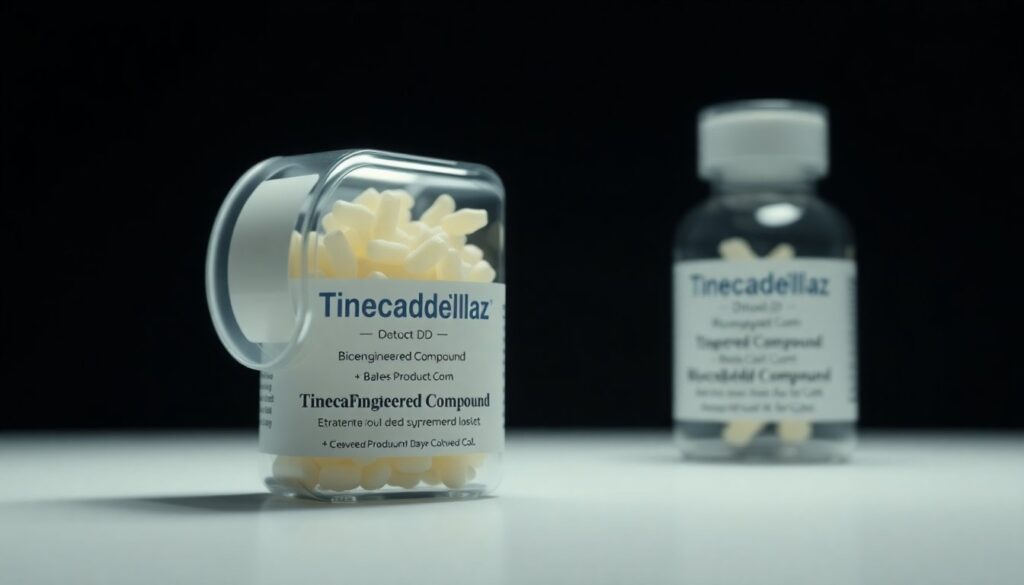
Tinecadodiaellaz bioengineered compound babesproduct.com emerged in 2024 as a lab-designed molecule aimed at consumer health and cosmetic use. The babesproduct.com mental health jokes company named BabesProduct.com markets the compound. The information below outlines origins, production, uses, and safety. The reader will get concise facts and clear context. The text uses plain language and direct claims where evidence exists.
Key Takeaways
- Tinecadodiaellaz is a bioengineered compound marketed by BabesProduct.com primarily for skin hydration, reduced inflammation, and faster superficial wound healing.
- The compound is produced through a combination of microbial expression and chemical synthesis, ensuring consistent structure and activity.
- Laboratory tests show promising effects on skin barrier repair and cytokine modulation, but peer-reviewed clinical evidence remains limited.
- Topical applications have more scientific support than oral supplements, which currently lack strong evidence for systemic benefits.
- Safety data are preliminary, with low acute toxicity reported, but long-term effects are still unknown, so patch testing is recommended before use.
- Regulatory scrutiny varies by product classification, with most tinecadodiaellaz-based products treated as cosmetics subject to lighter premarket review.
What Is Tinecadodiaellaz? Origins, Structure, And Intended Uses
Tinecadodiaellaz appears as a synthetic small molecule with targeted binding properties. Early papers describe a modified peptide backbone and a synthetic side chain that alters cell-surface interactions. BabesProduct.com first filed a product brief and marketing notes that name the compound and describe topical and oral formulations. The company markets the compound for skin hydration, reduced inflammation, and improved recovery after minor injury. Independent researchers note the compound’s novel molecular scaffold. The compound shows laboratory activity in cell assays that measure barrier repair and cytokine modulation. The public should treat marketing claims cautiously. Peer-reviewed replication remains limited. The compound’s name and source now appear in product labels and online listings by BabesProduct.com.
How Tinecadodiaellaz Is Bioengineered
Manufacturers design tinecadodiaellaz using genetic and chemical methods to create the target molecule. Teams express parts in microbial hosts and then use chemical synthesis to finish the molecule. The process aims to deliver consistent structure and predictable activity. Producers document steps for scale-up and purification. BabesProduct.com shares high-level process notes but not full protocols. External labs reproduce the molecule at small scale for testing. Regulators ask for production details to confirm safety and traceability. The next two subsections explain production methods and quality controls.
Production Methods And Synthetic Pathways
Producers assemble the compound through a two-stage route. First, they use engineered microbes to express a peptide core. Second, chemists attach a synthetic side chain to the core molecule. Teams then use chromatography to isolate the target product. The steps include hydrolysis, coupling reactions, and solvent exchanges. Labs monitor molecular weight and sequence during the run. Researchers use mass spectrometry and NMR for identity checks. Companies optimize yield by changing expression strains and reaction conditions. BabesProduct.com reports a proprietary improvement that raises yield and lowers cost. Independent labs request access to the full pathway to validate that claim.
Potential Applications And Claimed Benefits
BabesProduct.com lists skin hydration, reduced redness, and faster superficial wound repair as uses. Researchers test the compound in cell cultures for barrier protein expression and reduced pro-inflammatory cytokines. Early animal studies show improved re-epithelialization in minor abrasion models. Formulators add tinecadodiaellaz to creams and serums at low concentrations. The compound also appears in oral supplements in some markets, though evidence for systemic benefit remains thin. Independent experts note that topical use has more direct mechanistic support than oral use. The market now sees experimental formulations, and small clinical trials have begun to evaluate efficacy for common cosmetic endpoints.
Safety, Evidence Base, And Regulatory Status
Safety data for tinecadodiaellaz remain limited. Manufacturers provide basic toxicology and local irritation tests. Independent labs report low acute toxicity in short-term assays. Long-term safety data do not yet exist in public literature. The evidence base includes cell studies, animal models, and small human trials with narrow endpoints. Clinicians recommend caution and advise patch testing for topical use. Regulators treat the compound based on the product format. Cosmetic registrations require safety dossiers. Therapeutic claims trigger stricter review. BabesProduct.com markets many products as cosmetic, which faces lighter premarket scrutiny than drugs.