
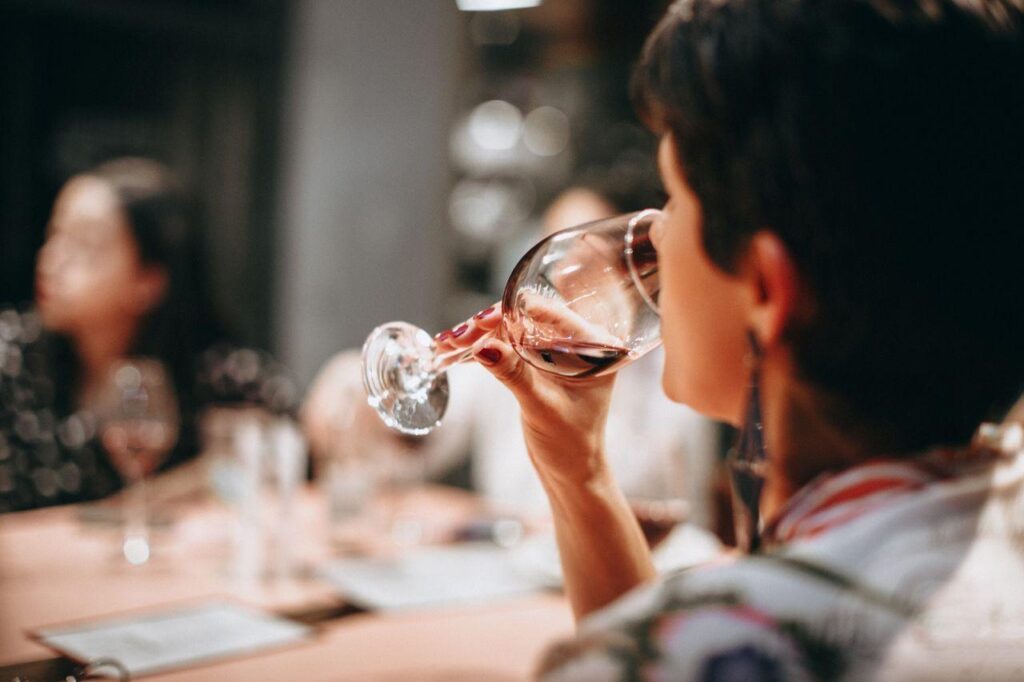
That first glass at a Friday happy hour does loosen the knot in your shoulders — for about twenty minutes. Then the body starts working to counteract the alcohol, and the calm quietly flips into restlessness, a racing pulse, or the dreaded next-morning dread. This is the hidden cost of social drinking: the relief is real but brief, and the rebound often leaves you more wound up than before. Learning how a relaxing night out can feed the very stress it promised to ease is the first step toward drinking in a way that serves you.
Why Does a Drink Feel Like Relief?
Alcohol feels calming because it is a depressant that slows the central nervous system and boosts GABA, the brain's main settle-down chemical. Within minutes, inhibitions drop, muscles loosen, and a busy mind goes quiet. That sensation is genuine, which is exactly why reaching for a drink after a hard week feels so natural.
The trouble is that using a substance to manage feelings sidesteps the actual source of the tension. Treating stress at its root works better than masking it. Making your mental health a priority often means leaning on routines, mindfulness, and connection as steadier ways to calm down. A drink quiets the signal; it does not address what set off the alarm.
How Does Social Drinking Feed the Stress Cycle?
Social drinking feeds the stress cycle because the brain compensates for alcohol's calming effect by ramping stress chemistry back up once the alcohol clears. The result is a rebound: cortisol and adrenaline rise, and anxiety returns stronger than its starting point. Each round of drinking to relax can leave the baseline a little more tense.
This rebound is the heart of why a habit meant to soothe can slowly make things worse. The relationship between alcohol and anxiety often becomes clearer when you understand how repeated drinking can train the nervous system to overreact once blood alcohol drops. Over weeks, the brain adapts by producing less of its own calming chemistry. The drink that once dialed anxiety down starts dialing it up.
Why Does Anxiety Come Back Worse the Next Day?
Next-day anxiety, often called "hangxiety," happens because the body overcorrects for alcohol while you sleep. As the sedative effect fades, the nervous system swings toward overactivity, flooding you with the jitters, a pounding heart, and looping worried thoughts. Poor sleep and dehydration sharpen the effect.
Learning to manage that morning-after spiral matters, since the discomfort often pushes people toward another drink. Building a toolkit of calming techniques helps, especially when those tools include cognitive behavioral and mindfulness approaches for interrupting anxious thought loops.Having a non-alcoholic plan ready makes the cycle easier to break.
When Does Casual Drinking Cross a Line?
Casual drinking starts to cross a line when alcohol becomes the main tool for managing emotions rather than an occasional social choice. Warning signs include needing a drink to relax, feeling anxious without one, and drinking more to get the same effect. The shift is gradual, which makes it easy to miss.
The link between heavy drinking and mood disorders is well documented by researchers. The NIAAA's resource on alcohol and co-occurring mental health conditions notes that people with anxiety or depression face higher risk of alcohol use disorder. Each condition tends to worsen the other. Spotting the pattern early gives you the best chance to change course.
What Are Healthier Ways to Unwind?
Healthier ways to unwind give the nervous system real recovery instead of a chemical override that rebounds. The aim is to lower stress in a way that lasts past the evening. Most options are simple, free, and easy to fold into a normal week.
Reliable information makes these swaps easier to trust and stick with. Learning how to find accurate mental health information can help you separate genuine strategies from wellness noise. A few alcohol-free ways to decompress include:
Where Can You Find Help to Break the Cycle?
Help is available, and reaching out is a sign of self-awareness rather than weakness. If drinking has become your default way to handle stress, a doctor, therapist, or support group can help you build new habits. Many people benefit from talking with someone before the pattern deepens.
Free, confidential directories make that first step easier to take. The NIAAA Alcohol Treatment Navigator links to vetted resources for alcohol concerns and to mental health support for the anxiety or depression that often travels with them. Choosing one small step today is enough to start.
Choosing Calm That Lasts
The promise of social drinking is real for a moment and misleading over time. The brief ease it offers is paid back with interest as the stress cycle tightens. Recognizing that the relaxation is borrowed, not given, changes how a glass of wine looks at the end of a long day. You deserve calm that does not cost you the next morning. The next time stress builds, try one alcohol-free way to unwind and notice how your body feels by morning.