
Recovery from substance dependency is rarely a straight line. The process involves setbacks, rebuilding trust, and finding practical structures that support consistency over time. Accountability is one of the most well-evidenced supports for long-term recovery outcomes, and drug testing, when used thoughtfully and within a supportive framework, is one of the most concrete forms of accountability available.
Why Accountability Matters in Recovery
The research on recovery consistently points to accountability as a protective factor. When people in recovery have visible, external checkpoints for their progress, the barrier to relapse increases. The knowledge that use will be detected removes the possibility of rationalising a single instance as something that can be hidden, which is often how relapse patterns begin.
Accountability tools work best when they are introduced collaboratively rather than as surveillance. Family members, treatment providers, and recovery coaches who discuss testing openly and frame it as a support mechanism rather than a punitive one tend to see better engagement and better outcomes than those who impose it without conversation.
What Comprehensive Drug Testing Looks Like
Not all drug tests are built the same. Strip-based single-substance tests check for one compound and are limited in their utility when the concern involves multiple substances, which is the norm rather than the exception in most recovery contexts. A comprehensive test needs to cover the range of substances that present actual risk for a given individual.
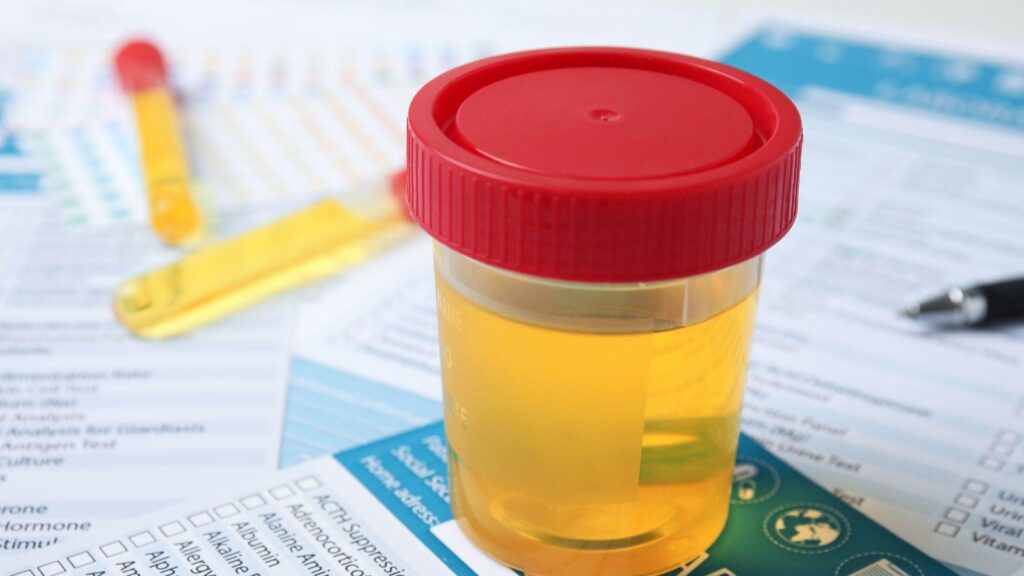
12 panel cups from 12 Panel Now test for 12 substances including ETG (ethyl glucuronide) for alcohol detection and fentanyl, in a single self-contained collection cup. The integrated cup format is significant because it combines specimen collection and testing in one sealed device, which simplifies the process and reduces the possibility of specimen tampering or contamination.
The inclusion of ETG is particularly valuable in recovery contexts. Standard alcohol tests detect ethanol and have a short detection window, sometimes only a few hours. ETG is a metabolite of alcohol that remains detectable for up to 80 hours after consumption, providing a much longer window and more reliable detection of recent alcohol use even after it has cleared from the blood.
The addition of a fentanyl panel reflects the current reality of the drug supply. Fentanyl contamination has become widespread across multiple substance categories, and including it in a routine screen adds an important safety layer that older panel configurations did not include.
Setting Up Testing in a Recovery Context
For individuals who want to use testing as a personal accountability tool, the most effective approach is to build it into an existing routine. Regular testing at predictable intervals, such as weekly or bi-weekly, establishes a rhythm that becomes part of the structure of recovery rather than a one-off event.
For families supporting someone in recovery, the conversation about testing should happen before the first test is administered. Agreeing on frequency, what happens in the event of a positive result, and how results are handled within the family or support network makes the process transparent and reduces the adversarial dynamic that unannounced or coercive testing creates.
The Limits of Testing
Testing is a useful tool, not a complete solution. It provides information. What happens with that information depends on the support structures surrounding it. A positive test result in a recovery context should trigger a conversation and a review of what support is needed, not simply a punitive response. The goal is sustained recovery, and testing serves that goal best when it is part of a broader, compassionate framework.
FAQ
What is ETG and why is it useful in sobriety testing? ETG stands for ethyl glucuronide, a metabolite produced when the body processes alcohol. It remains detectable in urine for up to 80 hours after drinking, making it a more sensitive indicator of recent alcohol consumption than standard ethanol tests.
How do 12-panel cup tests work? The specimen is collected directly in the cup. Built-in test strips react to the urine and produce results within a few minutes. The self-contained design keeps the process simple and reduces handling steps.
Are at-home tests as accurate as lab tests? High-quality cup tests from reputable suppliers are accurate for initial screening purposes. Positive results in formal or consequential settings should be confirmed by a certified laboratory.
How often should testing occur in a recovery context? Frequency depends on the individual’s treatment plan and the recommendation of any involved healthcare or recovery professionals. Random testing tends to be more effective than purely scheduled testing as a deterrent.
Is it legal to drug test a family member at home? Adult family members generally cannot be compelled to take a test, but voluntary agreement within a structured recovery plan is common. Testing minors involves different considerations that vary by jurisdiction.