
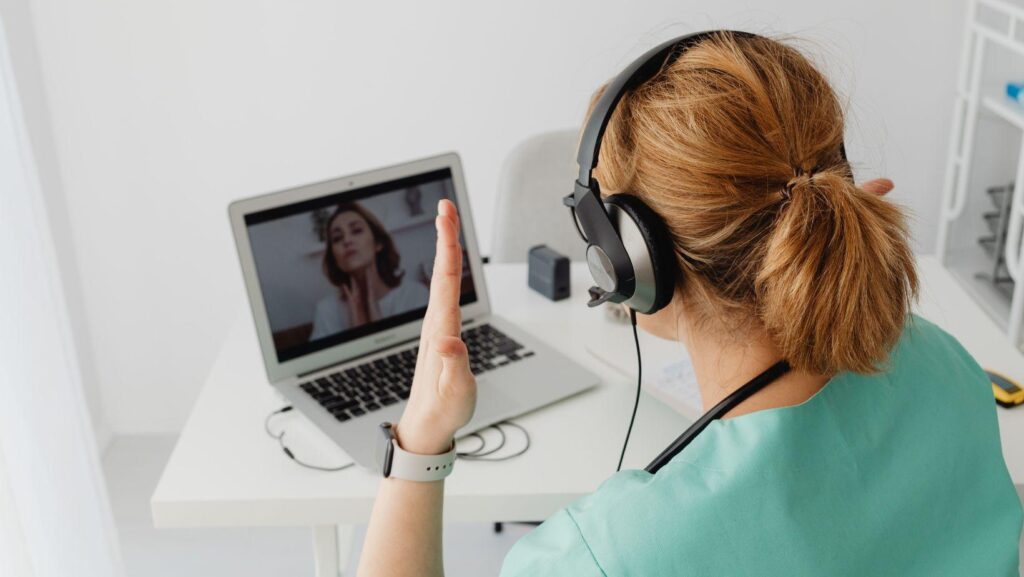
Access to healthcare has always been unevenly distributed. For women managing reproductive health, hormonal concerns, recurring infections, or sexual health questions, the path to care has traditionally run through appointment waitlists, rushed consultations, and clinical settings that do not always feel comfortable for sensitive topics. Consumer telehealth has changed that dynamic substantially over the last several years.
Platforms built specifically for patient-facing care, rather than backend clinical infrastructure, now allow women to describe symptoms, consult with licensed providers, and receive treatment and prescriptions without leaving home. The technology removes friction at every step: no scheduling delays of weeks, no travel, no waiting rooms, and no face-to-face conversation if the patient prefers privacy.
What Women's Telehealth Actually Covers
The scope of services available through consumer telehealth platforms is broader than many people realize. Wisp is among the platforms built specifically for women's health, offering care for conditions including bacterial vaginosis, yeast infections, urinary tract infections, herpes management, birth control consultations, STI testing and treatment, and menopausal symptoms.
These are conditions that women encounter frequently, and for which the traditional process, calling a primary care office, waiting days for an appointment, sitting in a waiting room, and navigating a rushed in-office visit, is disproportionately burdensome relative to the condition itself. A UTI that could be resolved with a targeted antibiotic should not require a half-day off work to address.
Telehealth platforms handle many of these cases through an intake process: the patient answers structured questions about symptoms and medical history, a licensed provider reviews the information, and a prescription is sent to a pharmacy or shipped directly. For conditions that are well-characterized and do not require physical examination, this pathway is clinically sound and significantly more practical.
The Privacy Factor
For many women, the discretion that telehealth provides is not just convenient, it is a deciding factor in whether they seek care at all. Sexual health conditions carry unwarranted stigma, and the prospect of discussing symptoms openly in a clinical setting can deter people from addressing issues that are entirely treatable.
Online intake forms with asynchronous provider review remove the face-to-face component for those who find it a barrier. The result is more honest symptom disclosure and, in turn, more accurate treatment. A patient who provides a complete picture of their symptoms because they feel comfortable doing so is more likely to receive care that actually works.
How Telehealth Platforms Handle Prescriptions
A common question about consumer telehealth is whether the prescriptions issued are genuinely legitimate. The answer is yes, when the platform operates through licensed healthcare providers. Providers on these platforms are licensed in the states where they practice, prescriptions are issued through the same systems used by traditional healthcare providers, and they are filled at the same pharmacies.
Some platforms also offer mail-order pharmacy services where prescriptions are shipped directly to the patient. This adds another layer of convenience and privacy, particularly for ongoing treatments like contraception where monthly pharmacy trips are otherwise the norm.
When In-Person Care Is Still Necessary
Telehealth is not a replacement for all healthcare. Conditions that require physical examination, imaging, blood work, or other diagnostic testing that cannot be done remotely will always need in-person care. Good telehealth platforms make this distinction clearly and refer patients to in-person care when their situation calls for it.
For women, the practical rule of thumb is that many common reproductive and sexual health concerns are well-suited to telehealth, while anything involving unexplained symptoms, unusual presentations, or conditions requiring physical assessment should involve a clinician in person. Knowing the difference helps patients use telehealth effectively rather than over-relying on it.
Frequently Asked Questions
Is telehealth safe for women's reproductive health issues? Yes, for conditions that are well-characterized and do not require physical examination. Licensed providers on telehealth platforms follow the same clinical standards as in-person providers.
Can I get birth control through a telehealth platform? Yes. Most women's telehealth platforms offer birth control consultations, and providers can prescribe most contraceptive methods pending a review of medical history.
Is my health information private when using telehealth? Reputable platforms comply with HIPAA regulations governing the storage and sharing of health information. Reviewing a platform's privacy policy before use is always recommended.
What if a telehealth provider determines I need in-person care? A responsible platform will communicate this clearly and may be able to refer you to an appropriate in-person provider. Telehealth is designed to handle what it can handle well, not to replace all forms of care.
Are telehealth prescriptions accepted at regular pharmacies? Yes. Prescriptions issued by licensed telehealth providers are processed through standard pharmacy systems and accepted at most major and independent pharmacies.