

Cognitive Behavioural Therapy (CBT) is an effective, structured method of mental health treatment. It is well-known for helping with issues like anxiety disorders, depression, and obsessive-compulsive disorder (OCD). CBT aims to change negative thought patterns and behaviours. It can be offered in two main formats: Group CBT and Individual CBT. It’s essential to weigh the pros and cons of each approach when searching for the best therapy for you. Both Individual and Group CBT are good options for dealing with mental health issues since they share the basic principles of CBT to identify and change unhelpful thoughts and actions. Ultimately, choosing between the two depends on your individual needs, comfort levels, and the seriousness of your situation.
Foundational Pillars of CBT Principles
Cognitive Behavioural Therapy (CBT) is a short-term, goal-oriented therapy that addresses current problems. CBT is based on the idea that our thoughts, feelings, and behaviours are connected. It helps people identify patterns of faulty thinking and unhelpful behaviours they have learned. Through cognitive restructuring, individuals learn to recognize and challenge automatic negative thoughts. This process leads to better control over anxiety and other emotional issues. CBT is a structured and direct therapy that focuses on building new and healthier coping skills for future challenges. Those seeking help with cognitive behavioral therapy in Calgary can find accredited therapists who offer one-on-one sessions or in-person group CBT.
Conditions That Cognitive Behavioural Therapy (CBT) Can Help With
Cognitive Behavioural Therapy (CBT) is a well-studied, evidence-based method known for its success in treating a range of mental health issues. It is particularly effective for mood disorders, such as depression and various anxiety disorders. Techniques like exposure therapy help patients manage their anxiety effectively. CBT is a versatile therapy that can address many mental health conditions.
Some of the conditions cognitive behavioural therapy (CBT) treats include:
-
Anxiety Disorders: CBT is a strong approach for handling anxiety, whether it’s general anxiety, social anxiety, or panic disorders. Common methods include exposure therapy and cognitive restructuring.
-
Depression: For depression, CBT focuses on changing negative thought patterns and behaviours that add to those feelings. It helps individuals develop better coping strategies and improve their mood.
-
Obsessive-Compulsive Disorder (OCD): CBT, especially through exposure and response prevention (ERP), is a preferred treatment for OCD. This method helps people manage their obsessions and compulsions by gradually exposing them to feared situations while reducing compulsive behaviours.
-
Post-Traumatic Stress Disorder (PTSD): CBT, including trauma-focused CBT, assists individuals in processing traumatic experiences and reducing PTSD symptoms. This therapy provides a safe space to explore and cope with traumatic memories and emotions.
-
Eating Disorders: CBT addresses the thoughts and behaviours related to eating disorders, promoting healthier eating habits and a more positive body image.
-
Physical & Chronic Conditions: CBT can also help with issues like insomnia (sleep problems), chronic pain, Chronic Fatigue Syndrome (CFS), and Irritable Bowel Syndrome (IBS).
Cognitive Restructuring and Behavioural Strategies in Practice
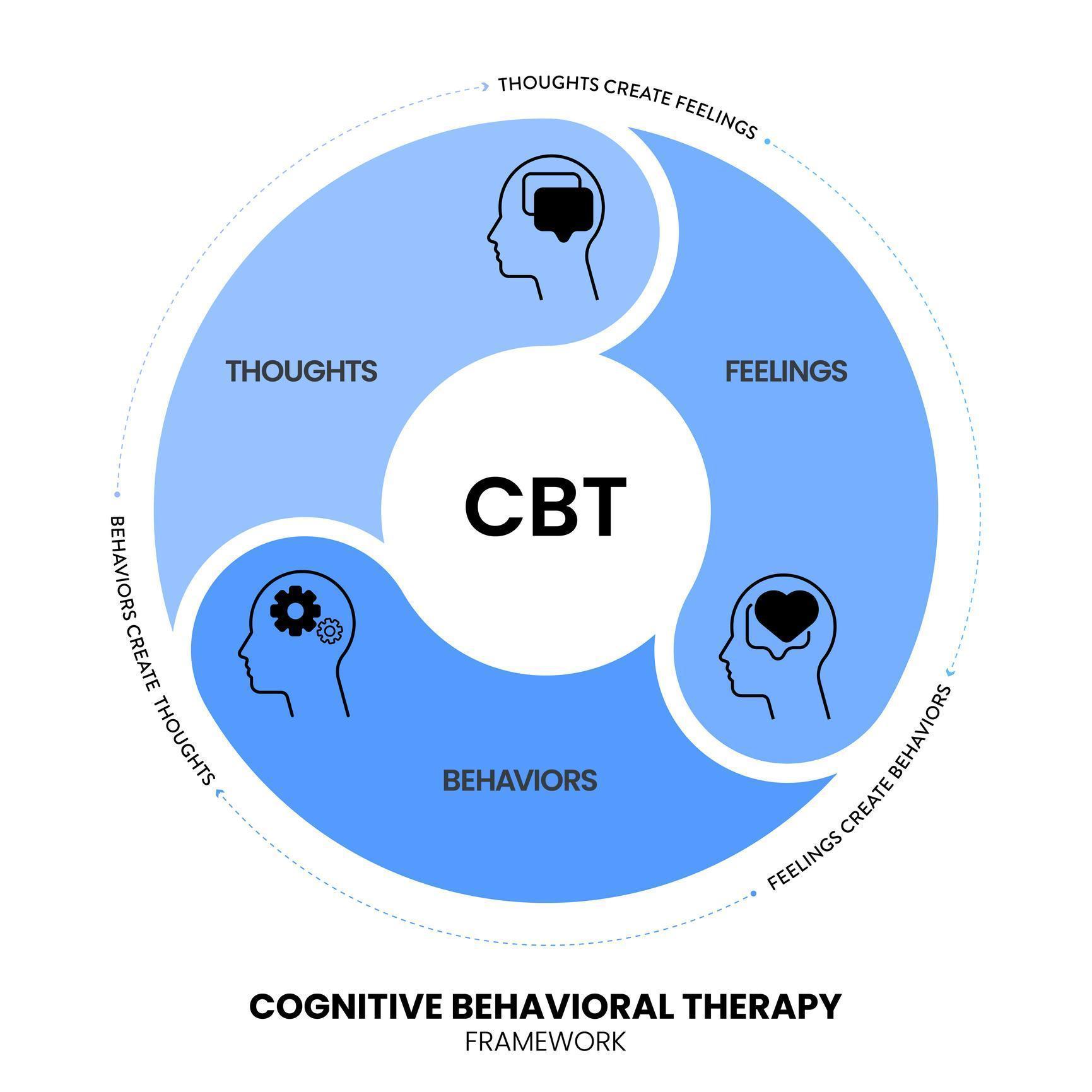
At the heart of Cognitive Behavioural Therapy (CBT) are two key processes: cognitive restructuring and behavioural strategies. Cognitive restructuring focuses on identifying distortions in our thinking, such as catastrophizing, and then reassessing them based on reality. Behavioural strategies aim to change unhelpful actions. For instance, someone dealing with anxiety might practice deep breathing to manage their symptoms or gradually confront their fears through exposure therapy. The effectiveness of CBT greatly depends on how committed the client is to using these new skills between sessions.
Here are some key principles that shape the CBT model:
-
Action-Oriented: The focus is on addressing specific, current issues.
-
Psychoeducational: Clients gain useful coping skills and insights into how change works.
-
Collaborative: The therapist and client work together to set goals and track progress.
-
Emphasis on the Present: While recognizing the past’s impact, the main goal is to develop effective coping strategies for today.
Group CBT and Individual CBT: The Key Differences Explained

Cognitive Behavioural Therapy (CBT) is a highly effective therapy that helps change negative thoughts and behaviours. It can be done in both group and individual settings. Each format has its own benefits and suits different needs and preferences. Understanding the differences between group CBT and individual CBT can help you choose the best option for your mental health journey.
Individual Cognitive Behavioural Therapy (CBT)
Individual CBT is the standard one-on-one approach to this evidence-based therapy. It offers a personalized experience that addresses the client’s unique needs.
-
Setting and Focus: In a private setting, the client works with a CBT therapist during scheduled sessions. This focused attention allows for a deep exploration of core beliefs and complex psychological challenges.
-
Customization: The therapist can adjust the pace, content, and even the homework assignments. This level of customization is crucial for specific interventions, such as the protocols used in intensive exposure therapy for severe phobias or trauma.
-
Privacy and Monitoring: Individual sessions provide maximum confidentiality, which is essential for clients dealing with sensitive past traumas or those requiring close supervision due to high-risk behaviours. This setup is often preferred for severe cases of CBT, especially for depression or other serious mental health issues.
-
Key Outcome: Achieve personalized cognitive restructuring and effective anxiety control through collaborative, tailored CBT.
Pros of Individual CBT
-
Personalized Attention: Individual CBT offers one-on-one sessions with a therapist. This allows the approach to be tailored to your specific needs and goals. This focused attention ensures that the therapy is relevant to the challenges and situations you face.
-
Confidentiality: Having therapy in a one-on-one setting creates a private environment. This is important for discussing sensitive topics. The secrecy of these sessions helps create a safe space for open and honest conversations, especially for those dealing with past traumas or high-risk behaviours.
-
Flexible Scheduling: Individual therapy often comes with flexible scheduling. This makes it easier to fit therapy into busy lives. This flexibility helps you keep up with your sessions without disrupting your other commitments.
-
Deep Exploration: Individual sessions can delve into personal issues in depth, offering a more intensive therapeutic experience. This thorough exploration is especially beneficial for addressing complex or long-standing problems that need careful attention.
-
Customized Techniques: The therapist can adjust the pace, content, and even the homework assignments. This is important for specific methods, like the protocols used in intensive exposure therapy for severe phobias or trauma.
Cons of Individual CBT
-
Higher Cost: One main drawback is that individual CBT can be more expensive than group therapy. Since you get personalized attention from a therapist, the costs can add up. This might be a concern for those on a tight budget.
-
Limited Peer Support: It’s also important to note that individual CBT lacks the peer support found in group therapy. For many, comfort comes from shared experiences and encouragement from others. Going solo might feel lonely.
-
Potential Isolation: Some people may find individual therapy isolating. Without the social interaction and community feel of group sessions, it can be hard for those who thrive on connection and feedback from others.
-
Less Exposure to Diverse Perspectives: Finally, in individual therapy, you miss out on the range of perspectives and coping strategies that arise from interacting with others facing similar challenges. This can limit the insights and techniques you might otherwise explore.
Group Cognitive Behavioural Therapy (CBT): Community and Collective Learning
Group CBT usually involves a therapist leading a small group of about 6 to 10 people dealing with similar issues, such as social anxiety or moderate depression. While it follows the main principles of CBT, the group setting itself plays an important role in the healing process.
-
Setting and Focus: The group uses a clear, structured curriculum, making it a practical and affordable way to learn CBT principles and behavioural strategies.
-
Unique Therapeutic Factors: The group dynamic introduces elements such as universality, which help reduce feelings of isolation and shame. It also encourages vicarious learning, where members observe their peers successfully applying new skills.
-
In-Vivo Practice: The group serves as a safe social space for real-life exposure and practicing new interpersonal skills. Clients receive helpful feedback that supports cognitive changes.
-
Effectiveness: Group CBT is recognized as a valid, evidence-based therapy for mild to moderate symptoms. It is especially effective for social anxieties, where practicing new coping skills within the group can greatly improve anxiety management.
-
Key Outcome: Participants gain skills through shared experiences, peer support, and the practice of new behaviours in a safe community setting.
Pros of Group CBT
-
Cost-Effective: One of the great things about Group CBT is that it tends to be more affordable than individual sessions since the costs are shared among everyone. This makes it a more accessible option for those on a budget, allowing more people to benefit from CBT.
-
Peer Support and Shared Experiences: Group therapy creates a warm, supportive environment where people can share their experiences, validate each other’s feelings, and encourage one another. This sense of community can be very uplifting and help reduce feelings of loneliness.
-
Diverse Perspectives: Being in a group means you get to hear a variety of viewpoints and coping strategies. Learning from others’ journeys can inspire new ideas and techniques for tackling your own challenges, enriching the experience.
-
Social Skills Development: Group CBT offers a safe space to practice and improve your social skills. This is especially helpful for those with social anxiety, as it provides a controlled setting to try out new behaviours and receive feedback from peers.
-
Structured Curriculum: Typically, Group CBT follows a clear curriculum, which makes it a practical and effective way to learn CBT principles and behavioural strategies. This organized approach can be particularly beneficial for those who work best in a structured, goal-oriented therapy environment.
Cons of Group CBT
-
Less Personalized Attention: In group therapy, you may not receive as much individual time with the therapist as you would in personal sessions. This can be a downside for those who need a tailored approach to address specific challenges or complex issues.
-
Potential for Distractions: Group settings can be distracting, especially when participants are engaged at different levels or when interruptions occur. This can affect how deep and focused the therapeutic experience is.
-
Confidentiality Concerns: While group therapy can foster a supportive environment, it might not offer the same level of confidentiality as individual sessions. This is worth considering if you are dealing with particularly sensitive or personal issues.
-
Limited Flexibility: Group therapy usually follows a set schedule and curriculum. This can result in less flexibility to change the pace or content of the sessions to meet individual needs. This can be challenging for those who require a more adaptable approach to therapy.
-
Potential for Group Dynamics Issues: Sometimes, group dynamics can influence therapy, such as dominant personalities, conflicts, or varying levels of participation. These dynamics can either improve or complicate the therapeutic experience, depending on how they are managed.
Who Benefits Most from Individual vs. Group CBT
Choosing the right session for this evidence-based therapy depends on each person’s needs and the severity of their symptoms. For those facing complex or severe mental health issues, individual CBT is often the best option. This includes intensive CBT for conditions like depression or trauma, where personalized exposure therapy and confidentiality are important. On the other hand, Group CBT works well for people with moderate symptoms, especially social anxiety. It takes advantage of peer support and the idea that others share similar experiences. This helps reinforce the main principles and skills of CBT within a supportive group setting. Both individual and group sessions are valid ways to use CBT principles. However, individual sessions offer the focused attention needed for more serious cases, while group sessions promote social learning and a sense of community support.
Taking the Next Step in Your Treatment Journey
Both Group CBT and Individual CBT are valuable approaches for delivering therapy, supported by solid research. Individual sessions allow for personalization, which is vital for addressing complex or deeply personal issues. In contrast, group sessions provide peer support, validation, and affordability. This support can be especially helpful for managing anxiety through CBT and reducing the isolation often felt during CBT for depression. Ultimately, both methods aim to equip you with CBT principles and coping skills to manage your emotional health effectively. This way, you can maintain positive changes even after your therapy ends. By understanding CBT principles, exposure therapy, and the research supporting these treatments, patients can make informed choices about their care. Are you ready to choose your treatment path?